



Why Mitsubishi SUVs Outshine Subaru for Snow-to-City Driving near Chicago, IL
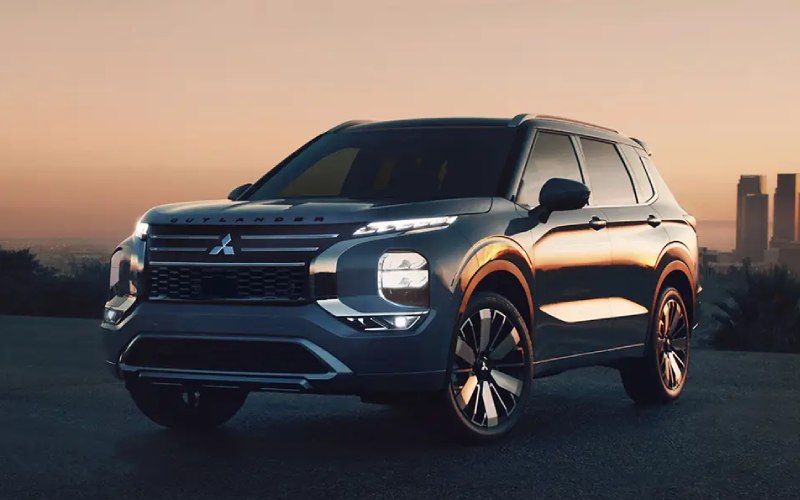
Countryside Mitsubishi – Why Mitsubishi SUVs Outshine Subaru for Snow-to-City Driving near Chicago, IL
Chicago driving rarely sticks to one surface or one season. On Monday, you might crawl along I-55 in freezing drizzle; on Wednesday, you could be threading a tight alley in Pilsen; and on Saturday, you might be heading to the Indiana Dunes or a youth tournament in Rosemont. At Countryside Mitsubishi, we meet shoppers who are comparing Mitsubishi to Subaru because both brands promise year-round confidence. Below, we focus on the real-world mix of snow, slush, potholes, and dense parking that defines Chicagoland — and explain where Mitsubishi’s all-weather control, flexible packaging, and electrified options give you an everyday edge.
Instead of stacking two single models against each other, we look at the full family of Mitsubishi crossovers — Outlander, Outlander PHEV, Eclipse Cross, and Outlander Sport — alongside comparable Subaru choices such as Crosstrek, Forester, Outback, and Ascent. The goal is to help you choose the right tool for the job: commuting over salted expressways, navigating alley snow berms, and fitting the kids and their gear on busy school nights.
Start with traction. Chicago winters hit fast and hard, and the difference between “made it” and “almost did” is often how precisely your vehicle can distribute power. Mitsubishi’s Super All-Wheel Control (S-AWC) is engineered for that split-second precision, and it’s available across our SUV lineup. The system integrates yaw control, traction control, and selectable drive modes so the vehicle can help you carve a clean, predictable line through snowpack, slush, or rain-polished pavement. Eclipse Cross features S-AWC across the lineup, Outlander offers S-AWC, and Outlander Sport offers available All-Wheel Control (AWC). The Outlander PHEV takes things further with twin-motor S-AWC that commands the front and rear axles independently for fine-grained response. Subaru’s Symmetrical All-Wheel Drive is rightly respected for balanced traction, and X-Mode on select models adds terrain smarts, but Mitsubishi’s emphasis on integrated control and driver-selectable tuning pays dividends when Ogden Avenue serves up black ice at one intersection and dry asphalt at the next.
Urban maneuvering is another daily test. Curbside snow piles, narrow alleys, and tight loop ramps downtown reward drivers who can see clearly and place their vehicle with confidence. Mitsubishi’s available 360-degree Multi-View Camera System can be a real stress-saver when you nose into a Lincoln Park garage with concrete pillars or back toward a snow-capped curb in La Grange. Available rain-sensing wipers and LED lighting help keep sightlines clean when semi-trucks toss slush on I-294. Subaru offers helpful visibility features as well, and the brand’s outward visibility has long been a strength. The practical difference we hear from our customers is how often Mitsubishi’s around-view perspective and parking-aid calibration simplify life in crowded neighborhoods where inches matter.
Long-haul driver assistance matters for I-290 and I-90 congestion, especially when wind gusts whip off Lake Michigan. Mitsubishi’s available MI-PILOT Assist™ provides lane centering and adaptive cruise control to help ease fatigue in stop-and-go traffic. With Navi-link, the system can even assist with speed adjustments for curves and interchanges using map data — a subtle, confidence-inspiring touch during cloverleaf merges or the long swoops onto Lake Shore Drive. Subaru’s EyeSight Driver Assist Technology is robust, too, with stereo-camera-based features like adaptive cruise control and lane-keep assistance. In our experience, both systems aim for calm commuting; the Mitsubishi advantage is how MI-PILOT Assist™ with Navi-link anticipates changes and smooths them out, which fits Chicago’s rhythm of variable-speed segments.
Family flexibility is where Mitsubishi stands out in a very Chicago way. Outlander offers seating for up to seven in a manageable city-friendly footprint. That matters when you need three rows for school drop-offs on Ogden, but you still want to slide into street parking near the field. Subaru’s Ascent offers three rows and generous space, but it’s a larger vehicle that demands longer stalls and broader turns, while Forester, Outback, and Crosstrek are two-row layouts. For households that toggle daily between kids-and-cargo and solo commuting, Outlander’s available power-folding third row and generous second-row adjustability strike a sweet spot — real-world versatility without the bulk.
Electrified commuting represents another meaningful point of difference for metro Chicago. The Outlander PHEV lets you plug in at home, quietly tackling a typical weekday with up to an EPA-estimated 38 miles of all-electric driving and the safety net of gasoline for weekend runs to Starved Rock or Schaumburg. DC fast-charging capability — uncommon among plug-in hybrids — adds flexibility for quick top-ups on the go. Subaru currently offers the all-electric Solterra, which is a strong choice if you’re ready to go fully electric and rely on public fast charging. For many Chicagoland families, though, a plug-in hybrid plus a garage outlet is the most convenient on-ramp to electrification. In winter, preconditioning the Outlander PHEV while plugged in can warm the cabin and battery before you ever leave the driveway — a small daily win when the thermometer dips.
Durability and peace of mind also matter with our freeze-thaw cycles and pothole seasons. Mitsubishi backs each new vehicle with a 10-year/100,000-mile Powertrain Limited Warranty for the original owner, one of the industry’s most generous. Subaru’s warranty coverage is solid but shorter on the powertrain term. Local support matters, too. Our service team in Countryside, IL, is factory-trained, uses genuine Mitsubishi parts, and understands how Midwest winters, road salt, and alley dust affect maintenance. Whether you need brake service after a hard winter or an accessory like all-weather mats and cargo organizers, our parts and service departments keep your Mitsubishi ready for the next lake-effect surprise.
Weekend versatility is part of the Chicagoland story. From bike paths along the Lakefront Trail to gravel drives near the Forest Preserves, both brands get families outdoors. Mitsubishi’s drive modes let you tailor traction for gravel, snow, and tarmac — helpful when a scenic lot is an icy patchwork. Subaru’s higher ground clearances shine on rutted paths. Where Mitsubishi often pulls ahead is the balance: city-ready size, easy camera-aided parking, confident S-AWC traction when the weather turns, and the option to plug in at home. It’s a combination that fits our neighborhoods, freeways, and weather patterns with fewer compromises.
If you are cross-shopping subcompact, compact, and three-row crossovers for life near Chicago, your must-haves likely include winter traction, downtown maneuverability, and long-drive comfort features. That’s exactly the bullseye Mitsubishi’s lineup hits — with Outlander’s three-row flexibility, Eclipse Cross S-AWC control, Outlander Sport’s urban-friendly agility, and the Outlander PHEV’s electric daily driving backed by road-trip range.
Here are key takeaways we share during test drives around our location at 5800 South La Grange Rd in Countryside:
- Snow-belt traction: Mitsubishi S-AWC integrates traction, yaw control, and drive modes for confidence across mixed winter surfaces; Subaru’s Symmetrical AWD provides stable, balanced grip.
- City fit: Mitsubishi’s available 360-degree Multi-View Camera System and tidy footprints simplify alley parking and garage maneuvering; Subaru counters with strong outward visibility and practical packaging.
- Family flexibility: Outlander’s standard third row seats up to seven without a big footprint; Subaru’s three-row solution is the larger Ascent.
- Electrification: Outlander PHEV enables home charging and DC fast charging with gasoline backup; Subaru’s all-electric Solterra fits households ready to rely on public charging.
- Commuter calm: MI-PILOT Assist™ with available Navi-link helps smooth curves and interchanges; Subaru EyeSight offers capable lane-keep and adaptive cruise support.
- Long-term confidence: Mitsubishi’s 10-year/100,000-mile Powertrain Limited Warranty supports years of Chicago driving; Subaru’s coverage is solid but shorter on powertrain duration.
If you are sorting through trims, colors, and drivetrain choices, our team can tailor a comparison to your route — whether that’s Oak Park to the Loop, Hinsdale to the United Center, or weekend cabin trips up I-94.
Frequently Asked Questions:
Which Mitsubishi SUVs offer S-AWC for winter driving around Chicago?
Outlander and Eclipse Cross feature S-AWC across the lineup, while Outlander Sport offers available All-Wheel Control (AWC). Outlander PHEV adds twin-motor S-AWC for even more precise front-rear control in snow and slush.
How does MI-PILOT Assist™ with Navi-link compare to Subaru EyeSight in daily commuting?
Both systems support adaptive cruise control and lane centering to help reduce fatigue. MI-PILOT Assist™ with available Navi-link can assist with speed adjustments around certain curves and interchanges using map data, which many of our customers appreciate during complex Chicago merges and ramps. EyeSight offers strong camera-based assistance as well; test-driving both is the best way to feel the difference.
Is the Mitsubishi Outlander truly a seven-seat solution for city families?
Yes, Outlander provides standard seating for up to seven, giving you third-row flexibility in a city-friendly footprint. For shoppers who want three rows without stepping up to a larger vehicle size, this layout fits alleys, garages, and neighborhood parking better than many full-size options.
What makes the Outlander PHEV practical for Chicagoland winters?
Outlander PHEV delivers up to an EPA-estimated 38 miles of all-electric driving for daily errands and commutes, plus the assurance of gasoline for longer trips or cold snaps. You can charge at home, precondition the cabin while plugged in, and even use DC fast charging for quick top-ups on the go — a rare capability among plug-in hybrids.
Chicago driving demands vehicles that adapt gracefully — from lake-effect mornings to late-night returns under bright LED streetlights. Mitsubishi’s blend of S-AWC traction, camera-aided maneuverability, family-first packaging, and the unique plug-in hybrid option meets that demand with confidence. If you are comparing Mitsubishi and Subaru, we invite you to experience both back-to-back at Countryside Mitsubishi. Call 708-578-6137 to schedule a test drive or stop by — our team will help you choose the SUV that fits your routes, your routines, and our weather.
0 comment(s) so far on Why Mitsubishi SUVs Outshine Subaru for Snow-to-City Driving near Chicago, IL