



Used Hyundai vs Used Mazda SUVs — A Driver-Focused Buyer’s Guide for Westmont, IL
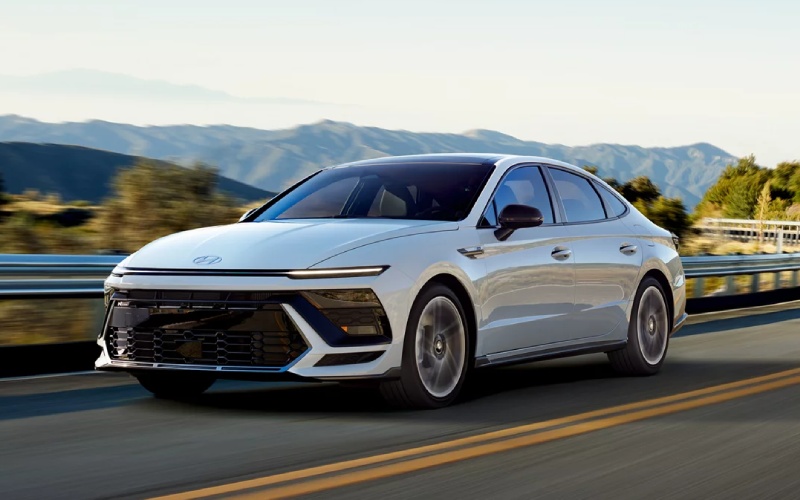
Countryside Mitsubishi – Used Hyundai vs Used Mazda SUVs — A Driver-Focused Buyer’s Guide for Westmont, IL
Start with your daily miles, then pick the personality
Used Hyundai and used Mazda SUVs both make smart sense for Chicagoland streets, but they emphasize different strengths. If you want space that works hard without drama, Hyundai’s Tucson, Santa Fe, Palisade, and Kona are built to simplify school runs and errand loops. If you crave a calmer, more connected drive, Mazda’s CX-30, CX-5, CX-9, and CX-90 lean into precise steering, supportive seating, and remarkably quiet cabins. Before you weigh features line by line, sketch your real routine: bumper-to-bumper on the Stevenson, tight parking at neighborhood shops, or back-to-back sports practices with backpacks, folding chairs, and a cooler. With that picture in mind, the right lineup usually reveals itself.
On paper, these brands can look similar — modern safety tech, smartphone integration, and available all-wheel drive. On pavement, their characters diverge. Hyundai often rides softer and packages cargo with family-first details like low load floors and easy-fold seats. Mazda typically feels buttoned-down and serene at speed, with steering that guides confidently through lane changes and sweeping ramps. Neither approach is wrong; it is about which matches your miles.
Space and seating that save time
If your day includes car seats and constant loading, Hyundai’s packaging is tough to beat. Tucson’s square cargo area handles strollers and storage bins without awkward angles. Santa Fe adds second-row width, generous door openings, and handy underfloor storage. Palisade’s third row makes last-minute carpool duty painless, and a wide tailgate helps with bulk-room pickups. Mazda answers with premium-feel seating and excellent long-drive comfort. CX-5 supports the lower back better than many rivals, and CX-90’s adult-friendly second row makes road trips more relaxed. Families who rotate drivers often appreciate Mazda’s tidy control layout, while families who rotate cargo tend to prefer Hyundai’s interior flexibility.
Think through your toughest weekly moment: is it parallel parking on a busy street or fitting a week’s groceries plus soccer gear in one shot? If it is the latter, Hyundai often wins. If it is the former, Mazda’s steering feel and composed braking will likely feel more natural.
Tech and visibility during real-world commutes
Infotainment and driver assists can turn a draining commute into something manageable. Many used Hyundais include touchscreen systems that are quick to learn, with Apple CarPlay and Android Auto broadly available. Camera clarity and menu structure are usually straightforward, which helps in crowded parking structures. Mazdas vary by model year — a rotary controller keeps eyes up, and inputs consistent, and recent models pair that with larger, sharper displays. Both brands offer adaptive cruise, lane-keep support, and blind-spot monitoring on common trims, but availability depends on year and package. Before you decide, sit in both with the screen on, adjust mirrors, and cycle through your typical tasks so you can judge reach, glare, and responsiveness.
Visibility matters as much as screen size. Hyundai cabins tend to favor upright seating and generous glass. Mazda often uses slimmer pillars and seats that place you in a natural, confident position behind the wheel. Neither requires a learning curve — it comes down to what feels right after ten minutes, not just ten seconds.
AWD confidence, fuel economy, and the repair roadmap
Hyundai’s HTRAC and Mazda’s i-Activ AWD both react quickly to changing surfaces, and both are widely available across the used market. Hyundai offers multiple hybrid options — Tucson Hybrid and Santa Fe Hybrid are common finds — which can trim fuel stops without giving up AWD. Mazda counters with smooth, torquey turbo engines and, in newer CX-90 PHEV models, an electrified option that brings strong low-end pull. For the total cost of ownership, condition, and maintenance history matter more than the badge. Review brake and tire life, battery health, alignment, and any open recalls. A well-kept non-hybrid can cost less to own than a neglected hybrid, and vice versa.
Feature creep is real. Later model years often add broader safety coverage, improved camera resolution, and bigger screens. If you are tech-focused, it can be worth aiming for a year or two newer within your budget. If you value mechanical simplicity, a clean earlier model with solid records is a smart play.
When you are ready to drive both back to back, plan a loop that includes a quick highway merge, a stretch of patched asphalt, and two parking maneuvers. Note how each SUV settles after a bump, how confident the brakes feel from 45 mph to zero, and how easy you can see and reach key controls. Bring a backpack or cooler to test the liftgate height and cargo shape. Small differences here tend to matter more than a single MPG digit on a spec sheet.
Shopping with a trade-in? Clean the cargo area, photograph the tread depth, and gather service receipts. A transparent appraisal should factor current tire and brake life, not just auction averages. If you are cross-shopping trims, keep a simple checklist of must-have items — heated seats, adaptive cruise, a power liftgate — so you are not swayed by a one-off feature that looks nice on the lot but will not matter at 6:45 a.m. next Tuesday.
Ultimately, if your weekday looks like a rolling to-do list, used Hyundai SUVs deliver plug-and-play practicality that feels helpful from day one. If your weekday demands a calm cabin and confident lane changes through tight traffic, used Mazda SUVs make the miles feel shorter. The best answer is not a logo — it is the test drive that reflects your actual routes.
Visit Countryside Mitsubishi for side-by-side drives and a clear conversation about maintenance timelines, feature differences by year, and which trim best fits your routine. Our team is serving Cicero, Westmont, and Countryside with helpful routes and straightforward guidance that put your needs first.
Frequently Asked Questions:
Which models are best for three-row flexibility?
Hyundai Palisade and select Santa Fe model years offer three rows, while Mazda CX-9 and CX-90 provide comfortable three-row layouts with adult-friendly second rows.
Is Apple CarPlay and Android Auto common on used models?
Yes. Many Hyundais include touchscreen-based integration across trims, and Mazdas typically offer CarPlay and Android Auto on most recent model years — specifics vary by trim and year.
Which feels easier to park in busy areas?
Hyundai often provides wider camera views and quick-to-grasp touch menus. Mazda’s precise steering and predictable brake feel can make tight spots feel more natural. Try both in the same garage to see what you prefer.
How should I compare total ownership costs?
Check tire and brake life, battery health, upcoming services, and any open recalls. A clear maintenance plan for the next 12 to 24 months tells you more than an estimate based only on mileage.
- Quick test-drive plan: Include a highway merge, a rougher surface, and a tight parking maneuver to compare ride, noise, and visibility.
- Must-have list: Decide in advance on essentials like heated seats, adaptive cruise, or a power liftgate to keep comparisons consistent.
- Service check: Ask for inspection results on tires, brakes, fluids, and alignment to estimate near-term costs.
0 comment(s) so far on Used Hyundai vs Used Mazda SUVs — A Driver-Focused Buyer’s Guide for Westmont, IL