



Used Hybrids vs Gas Cars — Helpful Guidance for McCook, IL, Households
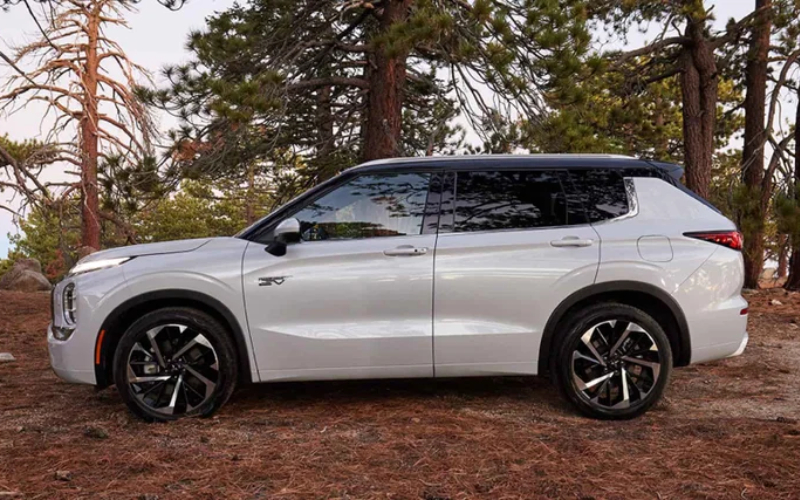
Countryside Mitsubishi – Used Hybrids vs Gas Cars — Helpful Guidance for McCook, IL, Households
If you are comparing used hybrids and used gasoline vehicles for daily driving around McCook, IL, you are already asking the right question: which powertrain fits your routine today and for the next few years? City-speed trips to school and the grocery store, a short hop to the train, and a couple of expressway stints on I-55 each week create a mixed-use picture. Hybrids thrive in that start-and-stop rhythm, thanks to electric assist and regenerative braking. Gasoline vehicles come in a vast range of body styles and engines, often at a lower up-front cost. The key is to map features and ownership costs to how you truly drive—then test those assumptions from the driver’s seat.
Fuel economy and your actual route
Hybrids shine when lights are frequent, and speeds hover under 45 mph. That is where regenerative braking captures energy, and the electric motor eases you off the line. If most of your miles are short suburban hops—with a few longer bursts to Oak Lawn or downtown—hybrids can cut fuel stops noticeably. Gas vehicles make sense when your weekly routine includes longer, steady-state drives or towing a small trailer. Know your average trip length and highway share before you shop; it frames the fuel conversation in your favor.
Winter conditions add nuance. Cabin heat and cold batteries can soften hybrid mpg until everything warms, and short trips affect gasoline models, too. The single biggest winter equalizer is a quality set of tires matched to your vehicle’s weight, wheel size, and common road surfaces. Quiet, confident braking and traction matter far more than the badge on the trunk when slush meets morning traffic.
Performance feel: launches, passes, and calm commutes
Many hybrids feel lively at low speeds because electric motors deliver instant torque. That makes tight merges and short on-ramps easier, and it helps smooth the stop-and-go that defines weekday errands along La Grange Road. Gasoline vehicles answer with broader engine choices—naturally aspirated for smoothness, turbocharged for punch—paired to transmissions you may prefer for towing or sportier highway passes. During a test drive, focus on three moments: the first 50 feet from a stop, a 45-to-65 mph pass, and a quick lane change. The car that calms those moves most consistently will feel best long-term.
Cabin quiet is another differentiator. Hybrids can be hushed at lower speeds, while modern gas models use active noise management and well-tuned suspensions to achieve similar serenity. A familiar stretch of imperfect pavement will tell you how well each candidate controls body motion and isolates sharp impacts.
Maintenance rhythms and long-term planning
Routine care—oil, filters, brake fluid, tires—applies to both. Hybrids can extend brake life because regenerative braking handles a chunk of deceleration. Gas models bring simpler powertrains overall and abundant parts availability. What about hybrid batteries? They are designed for longevity, with real-world life depending on mileage, age, and thermal management. A pre-purchase inspection that includes a diagnostic scan and any available state-of-health data adds confidence, just like compression readings or leak checks bolster a gas engine purchase.
For either choice, a clean service history is gold. Look for timely oil changes, cooling system care, and transmission service when applicable. Then plan your first six months of ownership: fresh wiper blades, a thorough brake inspection, and an alignment check if you sense the steering wheel is off-center after your test drive.
Space, tech, and day-to-day utility
Both categories span compact sedans, crossovers, and three-row SUVs. Some hybrids package batteries under the rear seats or cargo floor, which can slightly alter storage height, so bring a stroller or golf bag to confirm fit. Driver-assistance features—blind-spot warning, adaptive cruise, and multi-view cameras—appear widely across recent model years. Prioritize the tech that lowers stress on your specific routes: adaptive cruise for the Eisenhower crawl, a surround camera for tight parking, or lane-keeping assistance for long nighttime drives.
Audio and infotainment matter, too. If your commute includes podcasts or calls, verify Bluetooth clarity and steering-wheel controls. Apple CarPlay and Android Auto arrive in many used models, but differences in screen lag and microphone quality show up quickly in real traffic.
Test-drive smarter with a consistent loop. Start in a neighborhood, hit an on-ramp, cruise at 70 mph, then return through a few speed bumps and a rougher side street. Keep climate control and audio settings the same so you are comparing vehicles, not settings. Bring a second driver to test seat comfort and outward visibility from the passenger side.
Budget and financing naturally come into play. Build a realistic view by pairing expected fuel use with insurance quotes and an estimate of routine maintenance, then decide how long you plan to keep the vehicle. A car that fits perfectly for three to five years often beats a theoretical “forever” choice you never fully enjoy. At the dealership, one back-to-back drive can crystallize differences that spreadsheets cannot.
Countryside Mitsubishi can help align selections with the way your household drives today. From on-the-spot comparisons and thorough inspections to guidance on routine service, our team’s goal is to make your decision simpler and more confident—so the vehicle you choose works as well on Tuesday morning as it does for a Saturday getaway.
When you are ready, visit for a calm, structured test drive and plan to compare at least two finalists. Bring along your most common cargo, map a loop that mimics your week, and evaluate how rested you feel after 20 minutes. The right fit shows up in quieter breathing and looser shoulders when traffic gets tricky. With one team serving McCook, Oak Park, and Matteson, you can count on consistent guidance, clear answers, and support that continues long after you head home.
- Daily drive profile: List your average trip length, highway share, and typical passenger/cargo needs.
- Must-have features: Prioritize active safety, cameras, heated seats, and smartphone integration.
- Ownership costs: Pair fuel estimates with insurance quotes and a routine maintenance plan.
- Inspection plan: Schedule a diagnostic scan, brake check, alignment review, and tire evaluation.
- Test-drive loop: Use the same route, climate setting, and audio level for apples-to-apples feedback.
0 comment(s) so far on Used Hybrids vs Gas Cars — Helpful Guidance for McCook, IL, Households