



Used Cars with Backup Cameras: Shopping Tips for Urban Parking across Chicago, IL
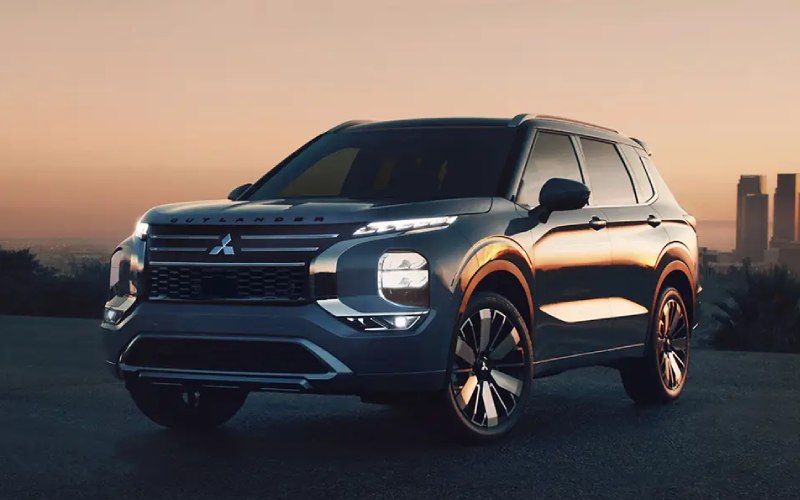
Countryside Mitsubishi – Used Cars with Backup Cameras: Shopping Tips for Urban Parking across Chicago, IL
Parking on crowded streets, easing into tight curbside spaces, and navigating multi-level garages is simply part of city life. A clear, confidence-boosting backup camera turns these chores into almost automatic maneuvers, especially if you know which used models and features deliver the best real-world performance. This guide breaks down what matters most, how to test camera quality in minutes, and which model-year timelines usually guarantee a rear camera is on board.
What matters most when you compare camera systems
Clarity comes first. Look for crisp edges on parking stripes and license plates at 10 to 15 feet. Next, consider low-light performance; you want a balanced image at dusk with enough contrast to spot pedestrians and cyclists without blinding glare from plate lamps. Finally, dynamic guidelines help you understand where the car is headed as you turn the wheel—vital when you’re threading into a short space between bollards or next to a curb cut.
Field of view is your friend. Wider lenses reveal more of the sidewalk and cross-traffic behind you, but can stretch edges; narrower angles feel truer to life but might hide hazards just off to the side. Try both if you can.
Quick test-drive routine for urban drivers
Bring a simple, repeatable routine so you can compare cars without guesswork. Back toward a single cone until the guidelines touch it on screen, then step out to see the true gap. Try a shallow uphill or downhill space to check how the image behaves on slopes. Finally, repeat at dusk to see how the screen manages glare and headlights behind you.
- Startup speed: Shift into Reverse and time how quickly the image appears
- Guideline tracking: Turn the wheel; lines should move smoothly and predictably
- Sidelong visibility: Watch for cyclists or delivery carts crossing behind
- Screen readability: Wear sunglasses to judge brightness and contrast
If a system hesitates to load or the guidelines jump, note it. Smooth, consistent behavior makes the tight-space routine feel nearly effortless.
Surround-view vs. single camera—who benefits most
Surround-view systems stitch images from multiple cameras into a top-down perspective. The payoff is huge when you park between columns, align to narrow lines, or avoid curb rash on low-profile tires. If your garage entrance is angled or your building’s ramp is narrow, 360-degree cameras make center-lining in your lane practical at a glance. If you mainly back straight out of a driveway and into wider streets, a sharp single camera can be plenty.
On many mainstream models, surround-view arrived on upper trims around the mid-2010s and became more common by 2019–2021. Luxury brands offered it earlier, but often as part of tech or premium packages. Be sure to verify the option on the exact VIN.
Model-year timelines—what usually ensures a camera
Most vehicles built from May 2018 forward include a standard backup camera. From 2012 to 2017, availability varies; mid and higher trims frequently include cameras with larger screens. Notable benchmarks: Honda CR-V (2012+ all trims), Honda Accord (2013+ all trims), Subaru Forester (2014+ standard), and many Toyota and Nissan models with broad availability around 2015–2017. Trucks like the Ford F-150 made cameras common from 2015 forward, with helpful trailer-focused guidance on select trims.
As for Mitsubishi, shoppers will find cameras widely available on Outlander Sport mid-2010s trims and standard across most of the lineup by 2018+, while Eclipse Cross launched with a standard camera and available 360-degree views on upper trims. That means you can shortlist model years by feature confidence, then zero in on the camera quality you prefer.
Don’t skip the lens and wiring check. Pop the tailgate while in Reverse and confirm the image doesn’t flicker—fatigued harnesses can cause drop-outs. Look for moisture inside the camera window and confirm plate lights don’t wash out the view at night. If something seems off, it may be resolved with a new lamp, lens cleaning, or a harness repair.
Thinking about retrofitting? Many older vehicles accept a factory-like camera or a quality aftermarket kit that integrates with the in-dash display or a mirror-mounted screen. Integration quality matters: well-chosen kits switch views instantly when you shift, maintain guideline accuracy, and preserve steering-wheel controls. If your commute includes alley exits, blind T-intersections, or tight school pick-up loops, that upgrade can make each reverse calmer and faster.
Data and updates count, too. Modern infotainment units sometimes receive software updates that improve camera startup speed or image processing. During a pre-purchase inspection, ask whether the system software is current. A straightforward update can sharpen the image and fix minor quirks you’d otherwise notice daily.
Finally, choose based on where you park most. If you regularly parallel park near loading zones, prioritize 360-degree views and cross-traffic alerts. If you back into a compact, well-lit garage, a sharp single camera with strong low-light tuning may feel perfect. And if you occasionally hitch a small trailer or bike mount, look for hitch-line overlays that make alignment simple.
Ready to compare systems side by side? Plan a focused test route, bring a short checklist, and evaluate image clarity, startup speed, and guideline behavior the same way in each car. You will feel the difference immediately. Countryside Mitsubishi is proudly serving Chicago, McCook, and Oak Park with clear guidance on which used models and trims deliver the camera capability your daily life demands—so you can park neatly, back out confidently, and get on with your day without second-guessing your rear view.
When you are ready to take the next step, our team can help you verify camera equipment on the exact VIN, review maintenance history for rear repairs, and recommend simple services that keep lenses clean and images crisp. One visit and you will know which camera system clicks with your routines—because the best safety tech is the kind that fades into the background and just works.
Countryside Mitsubishi is here to make that choice straightforward, from your first test drive to your everyday reverse out of the driveway.
0 comment(s) so far on Used Cars with Backup Cameras: Shopping Tips for Urban Parking across Chicago, IL