
Tire Rotation vs. Wheel Alignment near Lombard, IL: What Each Service Does
Tire Rotation vs. Wheel Alignment near Lombard, IL: What Each Service Does
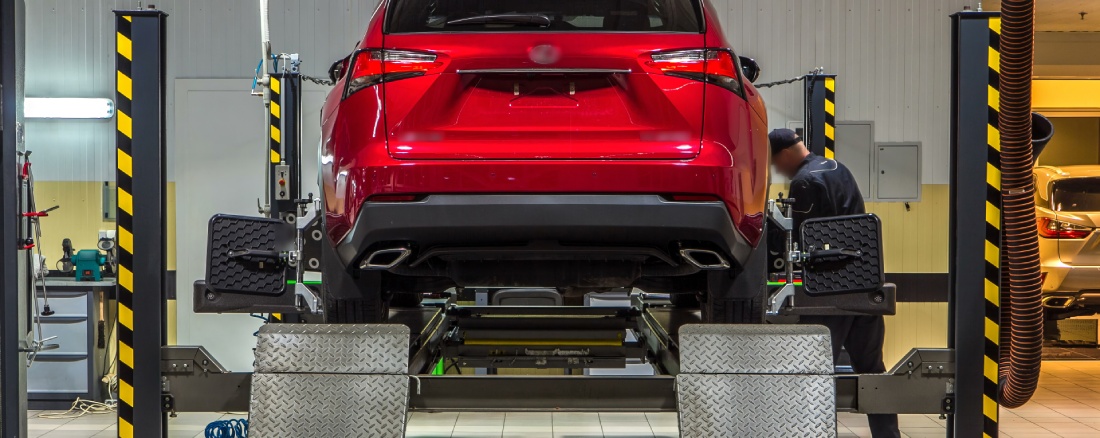
Tire rotation and wheel alignment are two different services that support tire life, steering control, ride comfort, and long-term vehicle health, but each solves a different problem. Tire rotation changes the position of each tire on the vehicle, such as moving front tires to the rear or crossing tires side to side when the tire pattern allows it. This helps even out tread wear because front, rear, drive, and steering tires carry different loads. Wheel alignment, on the other hand, adjusts suspension angles so the tires meet the road at the correct position. Those angles include toe, camber, and caster, all of which affect tracking, steering feel, and tire wear. For drivers near Lombard, IL, daily routes along Roosevelt Road, I-355, I-88, and local streets can expose tires and suspension components to potholes, construction edges, tight turns, and frequent braking. Those conditions make it important to know whether your vehicle needs a rotation, an alignment, or both. At Countryside Mitsubishi, our service center handles routine tire rotations, tire balancing, brake service, oil changes, diagnostics, and broader maintenance for Mitsubishi models and many other vehicles. Understanding the difference helps you schedule the right service, avoid unnecessary tire replacement, and keep your vehicle feeling stable on commutes, errands, and longer drives across the western suburbs.
What Tire Rotation Does and How Often It Is Needed
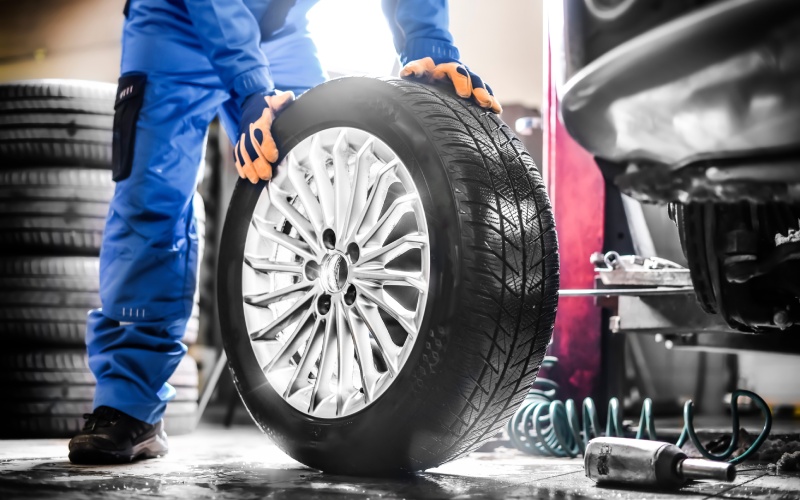
- Purpose: Tire rotation moves each tire to a different position so tread wear is shared more evenly across all four tires.
- Typical interval: Most drivers should rotate tires about every 5,000 to 7,500 miles, often at the same visit as an oil change.
- Wear pattern support: Front tires often wear faster because of steering forces, braking load, and engine weight on many vehicles.
- Drivetrain differences: Front-wheel drive, rear-wheel drive, all-wheel drive, and four-wheel drive vehicles may need different rotation patterns.
- Best time to check: A rotation visit is also a good time to inspect tread depth, tire pressure, sidewall condition, and visible damage.
A tire rotation does not change suspension geometry or straighten a crooked steering wheel. Its job is to reduce uneven wear before it becomes severe. If your front tires are wearing on the outer shoulders from repeated tight turns into parking lots, or your rear tires show a different tread pattern after many highway miles, rotation helps distribute that workload. Many owners schedule tire rotation with routine maintenance because it is quick, practical, and easier to remember than tracking a separate tire calendar. If your vehicle has directional tires, staggered tire sizes, or a specific all-wheel drive requirement, the correct rotation pattern matters. Skipping rotations can shorten tire life, increase road noise, reduce wet-road grip, and create a choppy feel that becomes more noticeable at speed. If tires are already deeply cupped or worn unevenly, rotation may help slow additional wear, but it cannot fully restore damaged tread.
What Wheel Alignment Does and Why It Matters
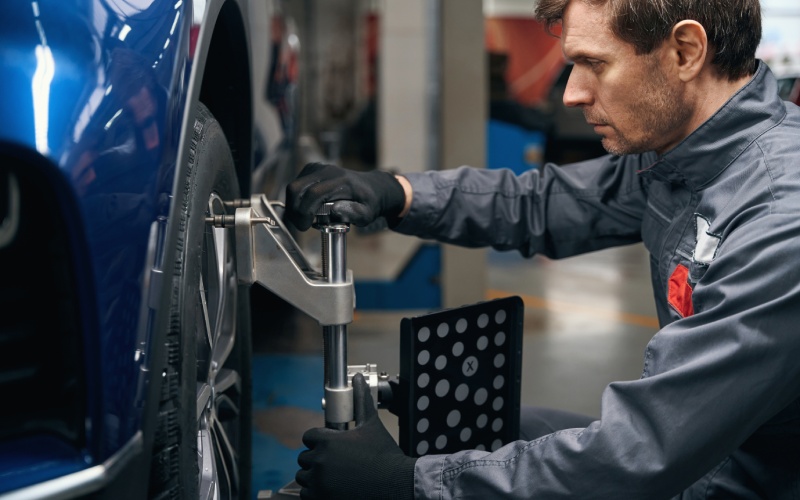
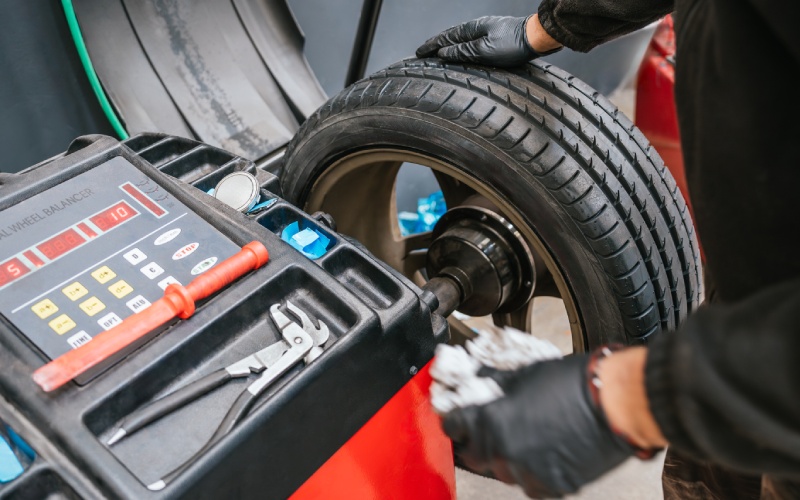
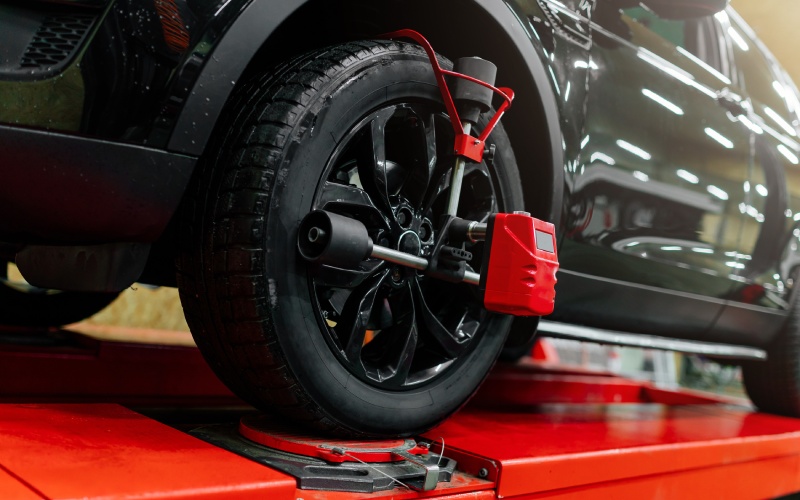
Wheel alignment focuses on the relationship between the wheels, tires, steering system, and suspension. During an alignment, a technician measures and adjusts key angles to match manufacturer specifications. Toe describes whether the tires point slightly inward or outward when viewed from above. Camber describes the inward or outward tilt of the tire when viewed from the front. Caster relates to steering stability and how the steering wheel returns to center after a turn. Even small alignment changes can cause a vehicle to pull, make the steering wheel sit off-center, or scrub tread from one edge of a tire. Countryside Mitsubishi technicians use service procedures designed to keep Mitsubishi models and other vehicles tracking properly after normal wear, suspension repairs, curb impacts, or rough-road encounters. A common recommendation is to check alignment about once a year or every 12,000 to 15,000 miles, but your vehicle may need attention sooner after hitting a pothole, replacing steering or suspension parts, installing new tires, or noticing handling changes. Alignment is not the same as tire balancing. Balancing corrects weight distribution around a tire and wheel assembly, often to reduce vibration. Alignment corrects angles that affect steering, tracking, and tire contact. When the alignment is right, the vehicle feels more predictable and tires have a better chance of wearing evenly.
Symptoms That Point to Rotation, Alignment, or Another Tire Service
- Likely tire rotation need: Front and rear tires show noticeably different tread depth, shoulder wear, or road noise that changes after positions are swapped.
- Likely wheel alignment need: The vehicle pulls left or right on a straight road, or the steering wheel sits off-center while driving straight.
- Possible tire balance issue: A vibration appears at certain speeds, especially through the steering wheel, seat, or floor.
- Possible tire damage: A bulge, puncture, exposed cord, or sudden air loss points to inspection or replacement rather than rotation alone.
- Possible suspension concern: Clunking, wandering, uneven ride height, or rapid inside-edge tire wear may require a broader steering and suspension check.
The easiest way to separate these symptoms is to ask what the vehicle is doing. If the main concern is uneven wear between tire positions, tire rotation is the first service to consider. If the vehicle does not track straight, the steering wheel is crooked, or one edge of a tire is wearing much faster than the rest, alignment is more likely. A vibration at highway speed may feel like an alignment issue, but it often points to tire balance, bent wheels, tire separation, or worn suspension components. Lombard-area driving can include tight neighborhood turns, curbed parking spaces, busy intersections, and repeated lane changes on expressways, all of which can magnify small tire or alignment problems. A professional inspection can confirm whether the best next step is rotation, alignment, balancing, tire replacement, or a suspension repair.
FAQ
Do I need tire rotation and wheel alignment at the same visit?
Not always. Tire rotation is routine maintenance, while alignment is usually based on mileage, symptoms, tire wear, or an impact event. However, pairing both services can make sense when installing new tires, correcting uneven wear, or preparing for a long period of daily commuting.
Can a tire rotation fix a vehicle that pulls to one side?
A rotation may help if the pull is caused by a tire wear pattern or tire construction issue, but a consistent pull often points to wheel alignment, tire pressure imbalance, brake drag, or suspension concerns. A technician can test and inspect the vehicle before recommending repairs.
How often should I schedule wheel alignment?
Many vehicles benefit from an alignment check about once per year or every 12,000 to 15,000 miles. Schedule sooner if the steering wheel is off-center, the vehicle pulls, new tires are being installed, or the vehicle recently hit a curb, pothole, or road debris.
Does wheel alignment make tires last longer?
Proper alignment can help tires wear more evenly because the tread contacts the road at the intended angle. Alignment cannot reverse existing tire damage, but it can help protect newer tires and reduce premature edge wear.
Should electric or hybrid vehicles follow the same tire service schedule?
Electric and hybrid vehicles still need tire rotations and alignment checks. Extra vehicle weight, quick torque delivery, and regenerative braking characteristics can influence tire wear, so regular inspections are especially helpful for maintaining tread life and ride quality.
Schedule Tire and Alignment Service with Confidence
Knowing the difference between tire rotation and wheel alignment helps you respond to symptoms quickly and maintain your vehicle with confidence. Rotation is the service that helps all four tires share wear more evenly, usually every 5,000 to 7,500 miles. Alignment is the service that corrects suspension and steering angles, commonly checked once a year or every 12,000 to 15,000 miles, and sooner after impacts or handling changes. If your tires are wearing unevenly, your steering wheel is off-center, your vehicle pulls, or your ride feels different than it used to, a trained technician can identify the cause before small issues become expensive repairs. Countryside Mitsubishi supports local drivers with an onsite service center, certified technicians, online scheduling, genuine Mitsubishi parts support, tire rotation, tire balance, brake service, oil changes, diagnostics, and other maintenance needs. Our location at 5800 LaGrange Road in Countryside is convenient for drivers from La Grange, Burr Ridge, Hinsdale, Westchester, and surrounding communities. If you are searching for tire rotation or wheel alignment service near Lombard, IL, schedule your appointment online or contact our service team for guidance. We will help you choose the right service, protect your tires, and keep your vehicle driving straight, smooth, and ready for the road ahead.