



Deciding Between Used Trucks vs. Used SUVs for Real-World Driving around Oak Park, IL
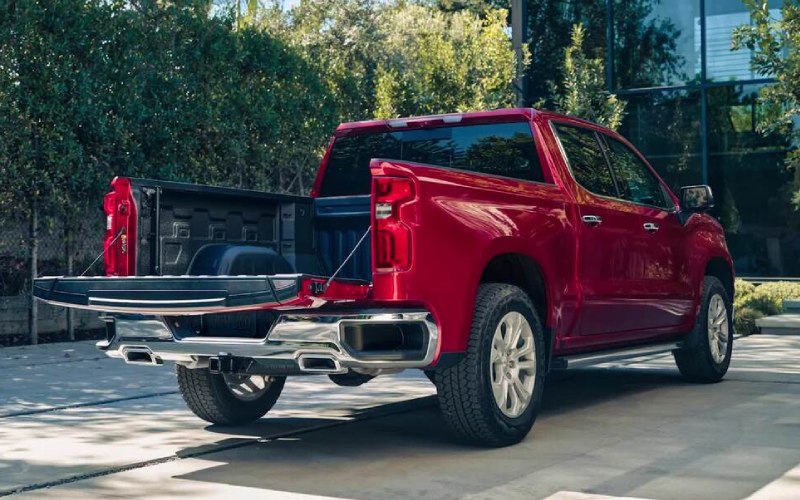
Countryside Mitsubishi – Deciding Between Used Trucks vs. Used SUVs for Real-World Driving around Oak Park, IL
Used trucks and used SUVs each solve different daily challenges across Oak Park’s tree-lined streets, garage-friendly neighborhoods, and quick access to I-290. If your calendar blends school pick-ups on Lake Street with weekend projects, the right choice hinges on cargo style, passenger needs, and where you park at night. This guide translates spec-sheet talk—tow rating, payload, seating rows—into the lived-in advantages you will feel every day.
Start with what you carry most
Sketch your week. If you routinely haul lumber from home centers, landscaping mulch, or muddy bikes, a truck’s open bed wins on flexibility and cleanup. If you juggle car seats, backpacks, and grocery runs near Ridgeland, a two- or three-row SUV simplifies life with enclosed storage and easy child-seat access. And if garage height and tight alleys rule your block, midsize and compact SUVs usually slip into spots with less stress.
- Cargo style: Open beds handle dirty or oversized items; enclosed SUV space protects food, electronics, and luggage.
- Passengers first: Two- and three-row SUVs streamline car seats and carpools; trucks fit crews best with a full-size rear seat.
- Parking realities: Shorter SUVs and midsize pickups work better for smaller garages and on-street parallel spots.
- Security needs: SUVs lock everything under a hatch; trucks benefit from bed covers and lockable storage.
As you list your must-haves, remember that accessories can shift the math. A locking tonneau cover or bed toolbox protects valuables in a pickup. Roof rails and crossbars give SUVs a ladder-and-kayak range. Making gear decisions early helps you choose the platform—truck or SUV—that supports your setup with the least compromise.
Capability that fits the job
Powerful V6 and V8 trucks shine when you tow regularly—small campers, utility trailers, or boats. They typically include stronger cooling, bigger brakes, and frames built for load. Many SUVs still tow confidently within moderate ranges, especially with factory tow packages, and are more relaxing on daily commutes. If towing is rare or occasional, an SUV’s balance of comfort, mileage, and maneuverability often wins.
- Towing frequency: Regular trailer use tips you toward a truck; infrequent, light towing may fit an SUV.
- Payload needs: Trucks carry heavier cargo in the bed; SUVs handle bulky but lighter loads with seats folded.
- Drivetrain choice: 4WD in trucks is great for load and rough surfaces; AWD in SUVs balances all-season traction.
Oak Park’s speed bumps, alley entries, and winter curb build-up reward ground clearance and good tires. Trucks often provide more clearance out of the box; SUVs counter with a shorter wheelbase and carlike suspension that settles quickly after bumps. Either way, invest in quality tires matched to your use—touring rubber for quiet Eisenhower commutes, or mild all-terrains for trailheads and gravel lots.
Ownership costs and inspection checklist
Budget for the full picture: fuel, insurance, tires, brakes, and routine service. Trucks may wear costlier, higher-load tires and larger brake components, while SUVs can be more economical for everyday mileage. A pre-purchase inspection pays for itself by catching issues before they reach your driveway. Ask for a road test on both city streets and the Eisenhower, a scan of diagnostic modules, measurement of brakes and tires, and—on trucks—bed, hitch, and frame checks for prior overloading or rust.
- Brakes and tires: Confirm remaining life and age; bigger truck components last but can cost more to replace.
- Suspension and steering: Listen for clunks on bumps and assess steering weight at parking speeds.
- Electronics and cameras: Confirm camera clarity and sensor function—vital for tight street parking.
- Maintenance history: Service records and clean fluids signal a vehicle worth keeping.
Countryside Mitsubishi can coordinate thorough inspections, explain what each finding means in real-world driving, and map out a sensible maintenance plan so your ownership stays predictable and calm over the long haul.
Test-drive strategy that mirrors your day
Bring real cargo: a stroller, hockey gear, toolboxes, or a folding ladder. Load the items you move most into a truck bed and then into an SUV hatch. Compare lift-over height, tie-down options, and whether you can still see out the rear window. Try the same turns you make at home—a tight U-turn, an angled alley, a parallel-park rehearsal. You immediately feel whether a pickup’s stance or an SUV’s shorter length is the better fit for your streets and lifestyle.
Think beyond the test loop. Stop on an incline, back into a spot using cameras, and try a three-point turn where it is narrow. If you expect to tow later, evaluate aftermarket hitch and wiring options now and ask about brake controller integration. For SUVs, sit in the third row—knee room and headroom matter if friends or family ride there often.
Finishing touches and long-term support
Accessories often complete the picture. For trucks, prioritize a durable bedliner, tonneau cover, and all-weather mats that handle project debris. For SUVs, look at cargo mats, roof crossbars, and seat-back protectors. And for either body style, pick tires that match your use case and schedule brake, battery, and alignment checks at sensible intervals. With our team serving McCook, Oak Park, and Matteson, you have one place to keep everything sorted—from trade-in appraisal to maintenance planning—so the vehicle you choose keeps suiting your life long after the first drive.
Frequently Asked Questions:
Do midsize pickups park more easily than full-size trucks around Oak Park?
Yes. Shorter overall length and wheelbase help midsize pickups fit garages and parallel spots more easily, especially with short beds and good camera systems.
Can an SUV replace a truck for DIY projects?
For light projects, often yes—fold-flat seats and roof racks go a long way. If you routinely haul heavy, dirty, or long materials, a pickup bed remains the cleaner and stronger solution.
Is AWD enough for weekend trailheads and gravel lots?
For most outings, yes. Pair AWD with quality tires and proper ground clearance. If you expect ruts, uneven terrain, or towing off pavement, 4WD low-range in a truck adds margin.
What should I verify on a used truck before buying?
Inspect the bed for damage, check hitch and wiring wear, look for frame rust or repairs, and confirm cooling, brakes, and tires are rated for the towing you plan to do.
When you are ready to compare, our advisors will help align specs with your everyday routes, budget, and garage space—so your choice keeps working for you mile after mile.
0 comment(s) so far on Deciding Between Used Trucks vs. Used SUVs for Real-World Driving around Oak Park, IL