
Conventional vs Synthetic Oil Change Guidance near Aurora, IL

Conventional vs Synthetic Oil Change Guidance near Aurora, IL
Choosing between a conventional vs. synthetic oil change is one of the most common maintenance questions for drivers who want dependable engine performance without overcomplicating routine service. Engine oil lubricates moving parts, helps manage heat, reduces friction, and carries away contaminants that naturally form as miles accumulate. Conventional oil is refined from crude oil and has long been used for basic protection in many gasoline engines. Synthetic oil is engineered for more consistent molecular structure, helping it resist breakdown, flow well at startup, and support cleaner operation over time. For commuters searching for service guidance near Aurora, IL, the right choice depends on vehicle age, manufacturer recommendations, mileage, engine design, and driving style. Daily travel on I-88, Route 59, Ogden Avenue, and busy local roads can involve steady cruising, short errands, and repeated stop-and-go driving, all of which influence oil life. At Countryside Mitsubishi, we help drivers understand what their vehicle needs instead of relying on guesswork. Our service team can review your owner’s manual, mileage, oil condition, and maintenance history so your next oil change supports long-term reliability, fuel efficiency, and confidence behind the wheel.
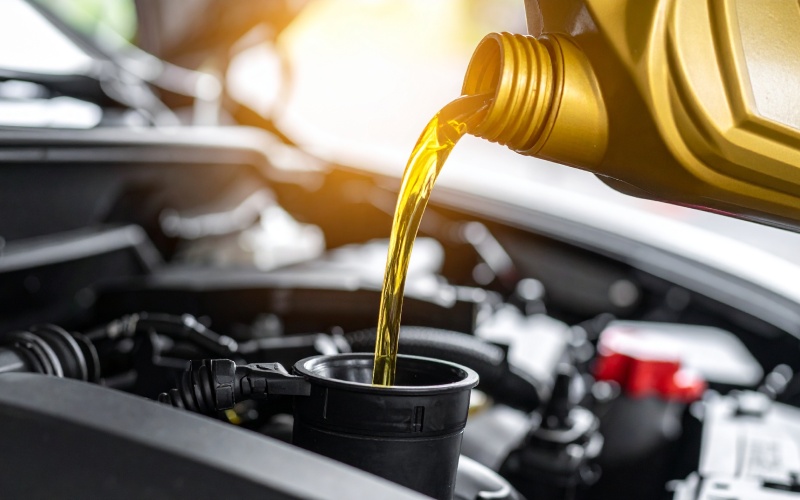
How Conventional and Synthetic Oil Differ
- Base formulation: Conventional oil is refined from natural crude oil, while synthetic oil is chemically engineered for more uniform performance and stability.
- Breakdown resistance: Synthetic oil generally resists oxidation and thermal breakdown better, which can help maintain protection during longer drives or heavier use.
- Cold-start flow: Synthetic oil typically flows more quickly at startup, helping protect internal engine parts during the first moments after ignition.
- Engine cleanliness: Synthetic blends and full synthetic oils often include advanced additives designed to reduce sludge, deposits, and varnish buildup.
- Vehicle compatibility: Some newer engines require synthetic oil, while certain older engines may be approved for conventional or synthetic blend oil depending on specifications.

The biggest difference is not simply how the oil is made, but how consistently it protects your engine under real driving conditions. Conventional oil can still be appropriate for select vehicles when it meets the required viscosity and performance standard. Synthetic oil, however, is often preferred for turbocharged engines, newer Mitsubishi models, high-mileage vehicles, and drivers who want stronger resistance to heat, friction, and deposit formation. The service professionals at Countryside Mitsubishi can confirm the correct oil type before service begins, which helps protect your engine and supports manufacturer-aligned maintenance.
Which Oil Is Better for Your Vehicle and Driving Habits
The best oil for your vehicle is the one that matches the manufacturer’s requirements and your actual driving routine. If your owner’s manual specifies full synthetic oil, that recommendation should be followed because the engine may rely on synthetic oil’s stability, additive package, and flow characteristics. Many modern engines are built with tighter tolerances, advanced valve timing, turbocharging, or fuel-saving technology, making the correct oil especially important. If your vehicle allows conventional oil, you may still consider synthetic if your driving includes frequent short trips, heavy traffic, long highway commutes, or higher mileage. Short drives can prevent the engine from fully warming up, allowing moisture and contaminants to remain in the oil longer. Extended expressway driving can create sustained heat, while repeated acceleration in suburban traffic adds its own demands. Drivers near Aurora, IL often balance weekday commuting, family transportation, and weekend errands across varied road types, so oil choice should reflect more than the odometer alone. Synthetic oil is not automatically necessary for every engine, but it can offer added protection and cleaner performance in many situations. A professional oil change also includes the correct filter, proper oil level, and a chance to inspect related maintenance items.

Oil Change Intervals and What Technicians Check
- Mileage interval: Your recommended oil change schedule may vary by model year, engine type, oil specification, and whether conventional or synthetic oil is used.
- Time interval: Oil can age even when mileage is low, so vehicles driven infrequently still need routine service based on time.
- Driving conditions: Stop-and-go traffic, short trips, towing, dusty roads, and extended idling can shorten oil life and make timely service more important.
- Oil filter quality: A properly matched filter helps capture contaminants and supports consistent oil flow throughout the service interval.
- Inspection value: An oil change visit can include checks of fluid levels, tires, brakes, battery condition, belts, hoses, and visible leaks.

Oil change intervals are not one-size-fits-all. Some vehicles use maintenance minder systems, while others rely on mileage and time guidelines. The safest approach is to follow your owner’s manual and adjust for actual use when needed. At Countryside Mitsubishi, our service center is equipped for routine maintenance such as oil changes, tire rotations, brake service, battery checks, filter replacement, and vehicle inspections. Our technicians are trained on Mitsubishi models and can service many other makes as well, giving local drivers a practical place to manage routine care and catch small concerns early.
FAQ
Is synthetic oil always better than conventional oil?
Synthetic oil usually provides stronger resistance to heat, oxidation, and deposit buildup, but the correct choice depends on your vehicle’s requirements. If your manufacturer specifies synthetic oil, it should be used. If conventional oil is approved, synthetic may still be a smart upgrade for added protection.
Can I switch from conventional oil to synthetic oil?
In most modern vehicles, switching from conventional to synthetic oil is acceptable when the synthetic oil meets the required viscosity and specification. A technician can confirm compatibility, inspect for leaks, and help determine whether full synthetic, synthetic blend, or conventional oil makes the most sense.
How often should I change synthetic oil?
Synthetic oil can often support longer intervals than conventional oil, but your exact schedule should follow your owner’s manual, maintenance reminder, and driving conditions. Frequent short trips, heavy traffic, and high-mileage use can make earlier service beneficial even with synthetic oil.
Plan Your Next Oil Change With Confidence
A conventional vs. synthetic oil change decision is easier when you have the right information and a service team that looks at your vehicle as a whole. The oil type, viscosity, filter, mileage, engine condition, and driving pattern all work together to determine the best maintenance approach. For drivers who commute across the western suburbs, travel into Chicago, or run daily errands near Aurora, IL, regular oil service helps protect engine parts, support fuel economy, and reduce the risk of avoidable repairs. Professional maintenance also creates an opportunity to review tires, brakes, fluid levels, battery health, and visible wear before small issues interrupt your schedule. Countryside Mitsubishi offers a convenient service process, knowledgeable technicians, genuine Mitsubishi parts when applicable, and support for many routine maintenance needs in one place. If you are unsure whether your vehicle needs conventional oil, synthetic blend, or full synthetic oil, our team can help you make a confident decision based on factory guidance and real-world use. Schedule your next oil change today and keep your vehicle prepared for the miles ahead.