
Battery Testing and Replacement for Daily Drivers in Naperville, IL
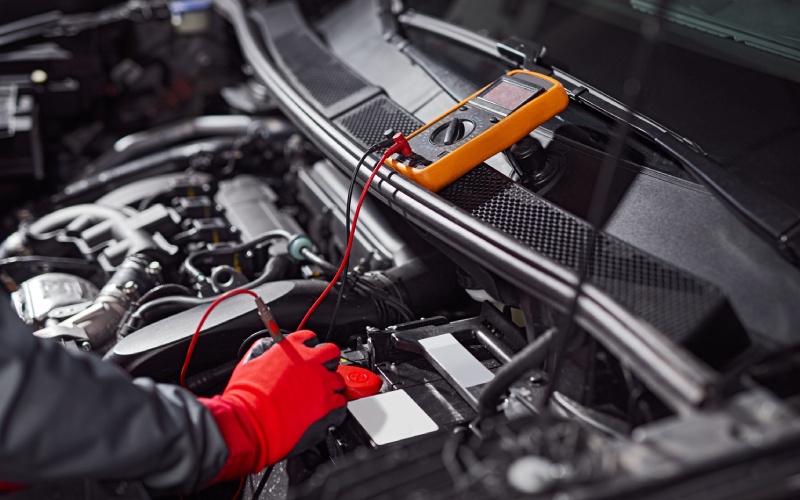
Countryside Mitsubishi - Battery Testing and Replacement for Daily Drivers in Naperville, IL
A weak battery can turn a normal Naperville commute into an unexpected interruption. Many drivers only think about battery health after a slow start, clicking sound, warning light, or complete no-start situation, but testing the battery before failure is usually the smarter move. Naperville driving often includes a mix of short errands along Washington Street, school drop-offs near neighborhood subdivisions, longer trips on I-88, and weekend drives toward Aurora or Chicago. That mix matters because frequent starts, heavy accessory use, and inconsistent drive lengths can all affect how well a battery stays charged. Even if your vehicle starts today, the battery may already be losing reserve capacity, especially if it is several years old or has supported many short trips.
Why Battery Testing Matters Before a No-Start
Battery testing is quick, but the information can be extremely useful. A proper test does more than confirm whether the vehicle starts. It checks available power, charging system behavior, and how the battery performs under load. That matters because a battery can appear fine during one start and struggle later after lights, climate control, infotainment, heated seats, phone charging, or other electrical systems draw power. For drivers seeking battery service near Aurora, IL, a dealership service visit can also include related checks, such as cable condition, terminal corrosion, alternator performance, and visible signs of electrical wear. At Countryside Mitsubishi, our service department can test batteries, inspect electrical concerns, and help determine whether charging, replacement, or additional diagnosis is the right next step.
A battery problem can also feel like another issue. Slow cranking may be blamed on the starter. Dim lights may be mistaken for an aging bulb. Warning lights can lead a driver to suspect a deeper electrical fault. Testing helps separate guesswork from measurable information. If the battery is healthy, our technicians can continue checking related systems. If the battery is weak, replacement may help prevent a breakdown at a parking lot, office garage, retail center, or home driveway.
Common Signs Your Battery Needs Attention
- Slow engine crank: The engine turns over more slowly than usual, especially after the vehicle has been parked for several hours.
- Clicking at startup: A rapid click or single click may point to low battery power or connection issues.
- Dim interior or exterior lights: Lights that brighten after the engine starts can suggest the battery is struggling.
- Battery warning light: A dashboard battery symbol may involve the battery, alternator, belt, wiring, or charging system.
- Corrosion at terminals: White, blue, or green buildup around battery posts can interfere with proper electrical flow.
- Frequent jump starts: Repeated jump starts usually mean testing should happen soon, not after the next failure.
Naperville drivers who park outside, work from home, or use a vehicle mostly for short local trips should pay close attention to these symptoms. Short drives may not give the charging system enough time to fully replenish battery power. On the other hand, a vehicle used for long commutes can still experience battery wear from age, vibration, heat buildup, and constant electrical demand. Modern vehicles rely on stable voltage for many functions, including driver-assist systems, infotainment, keyless entry, lighting, and onboard computers. A weak battery can create inconsistent behavior across these systems.
What Happens During a Battery Service Visit?
A battery service appointment usually begins with a visual inspection and a test of the battery’s state of charge and health. The technician may inspect terminals, clamps, cables, and the hold-down hardware that keeps the battery secure. If replacement is recommended, the correct battery type and fitment are important. Many modern vehicles require a battery with the proper size, power rating, and technology for onboard systems. Installing the wrong battery can lead to fitment issues, shorter battery life, or electrical performance concerns. A dealership parts department can help identify the correct component for your specific vehicle.
Battery service may also include checking the charging system. If a new battery is installed while an alternator problem remains, the same symptom may return. If a loose connection or parasitic draw is present, the battery may drain when the vehicle is parked. That is why a careful process matters. The goal is not just to replace a part. The goal is to restore dependable starting and stable electrical performance for your daily routine.
How to Reduce Battery Problems Between Visits
- Drive long enough when possible: Occasional longer drives can help the charging system replenish battery power more effectively.
- Limit accessory use before startup: Turn off lights, climate controls, and high-draw accessories before starting the vehicle.
- Keep terminals clean: Corrosion can reduce power flow and make a good battery behave like a weak one.
- Respond to slow starts: Do not wait for a complete no-start if the vehicle is already cranking slowly.
- Test before travel: A pre-trip battery check can help reduce the chance of a driveway or parking lot delay.
Battery care is especially important if your vehicle supports family schedules, work appointments, medical visits, rides to the Metra station, or regular drives between Naperville and surrounding suburbs. A dependable battery helps protect more than convenience. It supports safety systems, visibility, communication, and the confidence that your vehicle will be ready when needed. If your vehicle has not had a battery test recently, or if startup performance has changed, scheduling service is a practical next step.
Frequently Asked Questions:
How often should I test my car battery?
Many drivers benefit from battery testing at least once a year, and sooner if the vehicle starts slowly, needs a jump, or shows electrical symptoms. Testing during routine maintenance is a simple way to monitor battery health.
Does a battery warning light always mean the battery is bad?
No. A battery warning light may involve the alternator, charging system, wiring, belt condition, or battery connection. A diagnostic inspection can identify the cause more accurately.
Can an EV still need battery-related service?
Yes. EVs have high-voltage systems, but many also use a 12-volt battery for key vehicle functions. EV battery and electrical concerns should be handled by trained service professionals.
When you want clearer answers about battery health, do not wait for a no-start to force the issue. Schedule a battery test, electrical inspection, or replacement appointment with our service team, and we will help you understand what your vehicle needs before a small warning sign becomes a larger disruption.
Request more information