Search
-
or select -



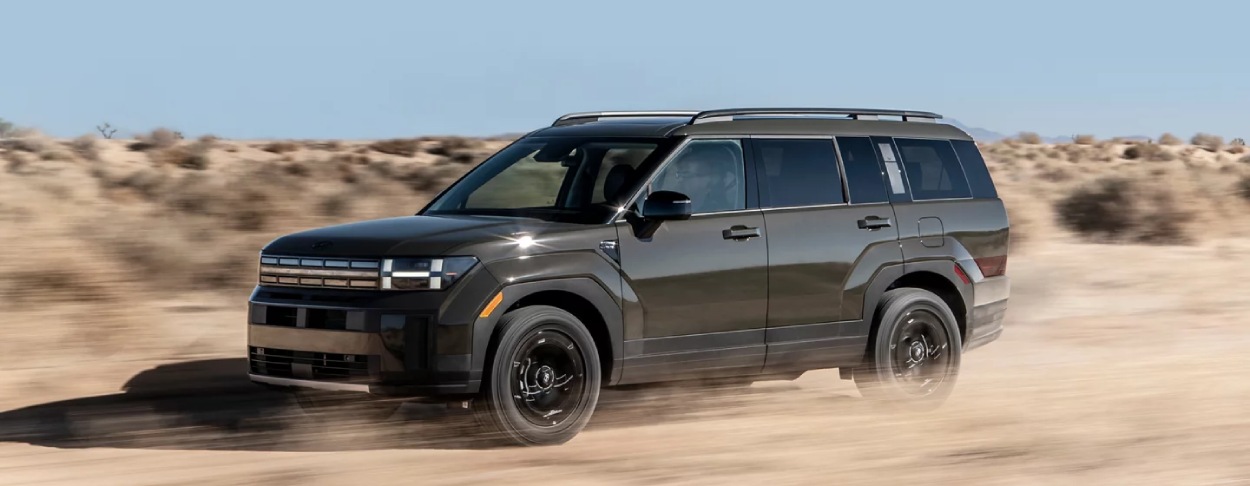
If you are comparing used Hyundai SUVs to used Mazda SUVs, you are likely weighing everyday comfort, technology, and long-term value against engaging road manners and upscale design. Hyundai favorites like the Tucson, Santa Fe, and Palisade tend to emphasize roomy cabins, intuitive infotainment, and extensive active safety. Mazda standouts such as the CX-5, CX-50, and CX-90 are known for taut handling, premium-feeling interiors, and confident powertrains. Both lineups make compelling pre-owned choices for commutes and family errands near Chicago, IL, where tight ramps, frequent lane changes, and variable pavement reward an SUV that is calm, efficient, and easy to place. At Countryside Mitsubishi, our goal is to help you navigate trims, features, and drivetrains with clarity, so you can match what you value most—space, traction, efficiency, or driving character—to the right vehicle. This guide breaks down the essentials, including size and comfort, traction and fuel economy, long-term ownership considerations, and what to expect in common model years and trims. We also add context for local driving—think urban parking, expressway merges, and winter traction—so your short list fits daily life as much as it reads well on paper.
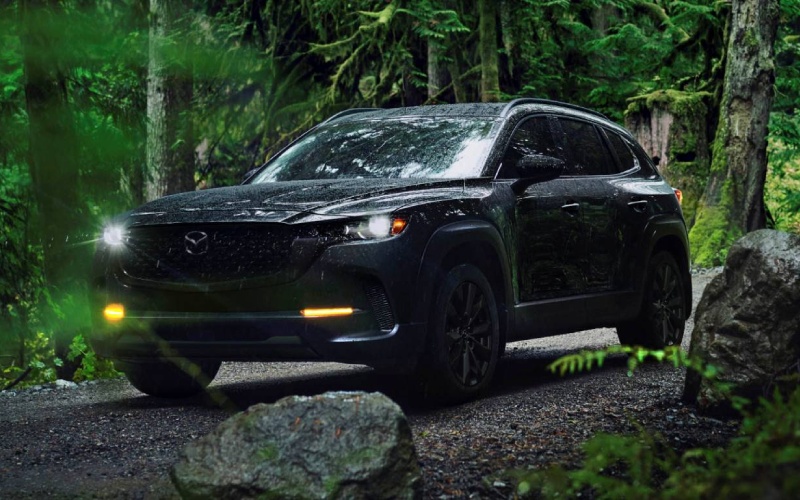
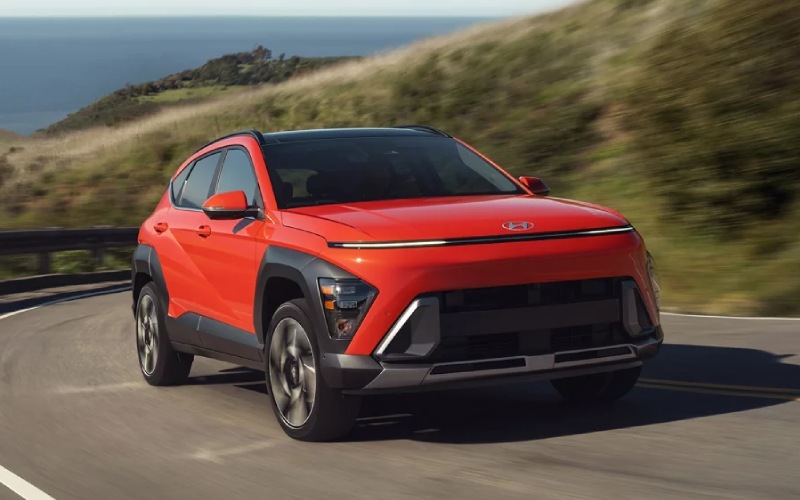
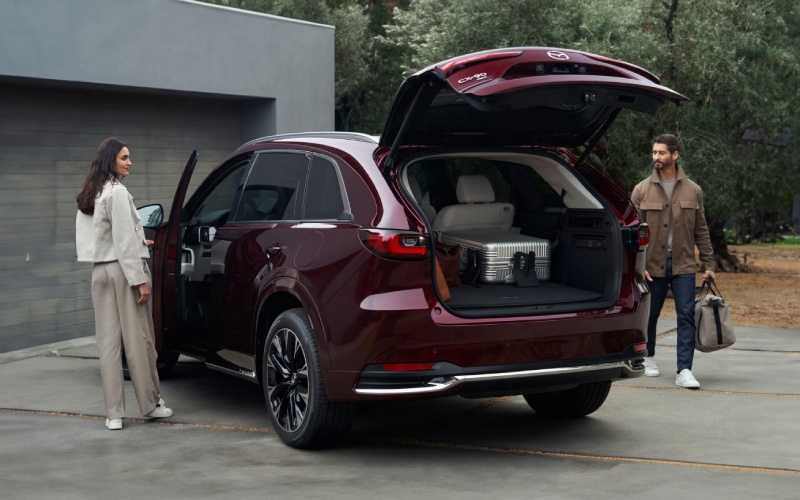
Practically, if you want maximum cabin versatility for strollers, sports bags, and Costco runs, Hyundai’s packaging is tough to beat. If you enjoy a composed drive with premium textures and confidently weighted steering, Mazda shines. Either way, verify seat comfort on a real-world loop and fold every row to test cargo fit before deciding.
Acceleration, fuel economy, and traction are where brand personalities really show. Many used Mazda SUVs—particularly CX-5, CX-50, and CX-90 trims—feature responsive engines and gearing that feel strong during quick merges, with steering that settles the vehicle during crosswinds. In city-and-suburb loops, that sharper tuning can reduce the effort needed to hold a lane or arc around off-ramps calmly. Hyundai counters with a broad range of powertrains, including efficient naturally aspirated fours and turbo options in Tucson and Santa Fe that deliver easy, low-rev torque. In everyday commuting, that translates to smooth takeoffs, fewer downshifts, and quiet cruising. For winter and wet leaves, both brands offer confident AWD systems. Hyundai’s HTRAC variants distribute power proactively to curb slip when pulling away from slick intersections; Mazda’s i-Activ AWD uses a network of sensors to anticipate traction changes, aiding stability on cold, polished pavement. For fuel economy, naturally aspirated Hyundai Tucson and Santa Fe models often post competitive MPG, while Mazda’s tuning balances real-world response with respectable efficiency. If you prioritize freeway passing and steering precision, a used Mazda (especially with a turbo) earns points. If your top need is calm, roomy efficiency with predictable manners in traffic near Chicago, IL, a used Hyundai will set a relaxed tone.
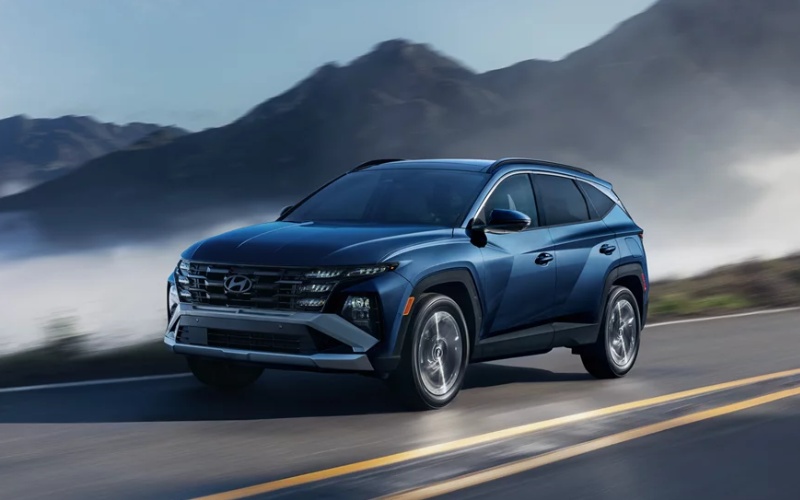
What matters most is the exact SUV in front of you—its service records, tread depth, brake life, and the way it drives today. Our service team at Countryside Mitsubishi uses OEM-spec parts and methodical inspections to help you understand upcoming maintenance windows—think fluids, filters, tires, and alignment—so you can budget realistically. We also see how local use patterns affect wear: curb rash from parallel parking, suspension alignment from potholes, and battery health from short-trip commutes. Shopping for certified pre-owned can add peace of mind, yet a careful inspection and a thorough test drive remain your best indicators of future satisfaction. Pair those steps with transparent history documents, and you will feel confident choosing either badge.
Which used Hyundai or Mazda SUV is best for a small garage or tight parallel parking?
Mazda CX-5 and Hyundai Tucson both fit most urban spaces; check turning radius, camera clarity, and mirror-fold features, then practice a few parking maneuvers near Chicago, IL, to confirm ease.
Are turbo engines on Mazda or Hyundai reliable long term?
Yes, when maintained on time with correct oil and filters. Inspect for up-to-date services, listen for abnormal noises at idle and under boost, and verify smooth, surge-free acceleration.
Do I need AWD for local winters or is FWD enough?
AWD adds takeoff confidence and stability on slushy starts; with quality all-season or winter tires, FWD can still work well. Your driveway incline, commute times, and tire choice matter most.
Which rides quieter at highway speed?
Hyundai SUVs often emphasize low cabin noise; many Mazda models counter with tighter body control and well-managed wind noise. Test the same route at 60-70 mph and note your impressions.
How do I compare tech across trims and years?
Create a shortlist, then verify screen size, Apple CarPlay/Android Auto behavior, camera resolution, and driver-assist settings. Bring your phone to test connectivity and call quality.
Numbers and spec sheets tell part of the story; how an SUV fits your life is ultimately settled in the driver’s seat. We recommend scheduling back-to-back drives of a used Hyundai Tucson or Santa Fe alongside a Mazda CX-5 or CX-50. Try errands you do weekly—loading groceries, fitting a stroller, practicing a parallel park, and accelerating onto a busy ramp—so your choice reflects your real routine near Chicago, IL. Our team at Countryside Mitsubishi is ready to guide you through trims, drivetrains, and features, explain inspection results in plain language, and map out recommended maintenance so you know what is next and when. We welcome neighbors from McCook and Oak Park who want a calm, thorough side-by-side process—no rush, just smart steps that lead to the right SUV. Bring your trade, your questions, and your must-have list. Together, we will pinpoint the model that feels natural on your street, handles your commute with ease, and keeps your weekends flexible—then get you on the road with confidence.