Search
-
or select -



Choosing between a used hybrid and a used gasoline vehicle comes down to how you drive, where you drive, and how you want to manage long-term ownership. Around bustling corridors like I-55, I-290, and La Grange Road, stop-and-go traffic rewards hybrid efficiency, while long expressway stretches and weekend road trips can play to the strengths of traditional gasoline engines. As a full-line used-car destination, Countryside Mitsubishi offers both paths, supported by a knowledgeable sales team, an in-house finance center, and a service department that uses OEM parts for precise, long-lasting repairs. Hybrids pair an electric motor with a gasoline engine for smooth, low-speed torque and strong city mpg, plus regenerative braking that captures energy during deceleration. Gasoline models counter with broader model availability, lower initial purchase prices in many segments, and familiar maintenance routines that independent mechanics and dealership technicians know well. If you regularly commute at lower speeds, favor quiet launches, and want to curb fuel spend, a hybrid may be the better match. If you frequently tow, cover unpredictable mileage, or want the widest selection of body styles and trims, a conventional gas vehicle can make sense. Either way, our team is ready to help you compare real-world costs, service expectations, and test-drive feel so you can pick the pre-owned vehicle that best fits your daily routine and future plans.
For shoppers near Chicago, IL, weighing five-year ownership math, start with your commute profile. Hybrids stretch fuel on urban routes with frequent lights and short trips common across the Western Suburbs, while gas models shine when mileage is steady, engines stay at temperature, and maintenance is predictable. Oil changes, brake service, filters, and tires are shared line items for both. Hybrids may go longer between brake pad replacements thanks to regenerative braking, balancing the potential cost of future battery service as a vehicle ages. Cold winters can slightly reduce hybrid fuel economy when cabin heat is in demand, while city driving in any powertrain will tax brakes and tires more than highway cruising. A thorough pre-purchase inspection, a scan for diagnostic trouble codes, and a look at service records help clarify real costs, no matter which route you choose.
Real-world pace and comfort matter. Hybrids deliver instant electric torque at launch, making merges onto the Stevenson or Eisenhower feel confident and calm. Many also feature drive modes that tune throttle response and regenerative braking for home-to-office trips or weekend errands. Gasoline vehicles counter with broader engine choices, including turbocharged options for responsive passing and highway climbs, plus greater availability of towing packages for small trailers or bikes. Cargo and cabin practicality are similar across both categories, although some hybrids place battery packs under rear seats or cargo floors, subtly changing storage layouts. In winter, look for heated seats, remote start, and all-weather mats to keep commutes cleaner and more comfortable; hybrid and gasoline models alike benefit from high-quality tires tailored to Midwest potholes and occasional snow. Shoppers traveling between Oak Park and McCook may appreciate hybrid smoothness in neighborhood traffic and gasoline range on longer suburban loops. Infotainment, driver-assistance tech, and multi-view cameras are widely available in both camps as you shop used. The key is to test how each vehicle pulls away from lights, settles at 70 mph, and handles quick lane changes. If you feel relaxed in the first 10 minutes of a drive, that’s a positive sign you’ve matched the powertrain to your daily rhythm.
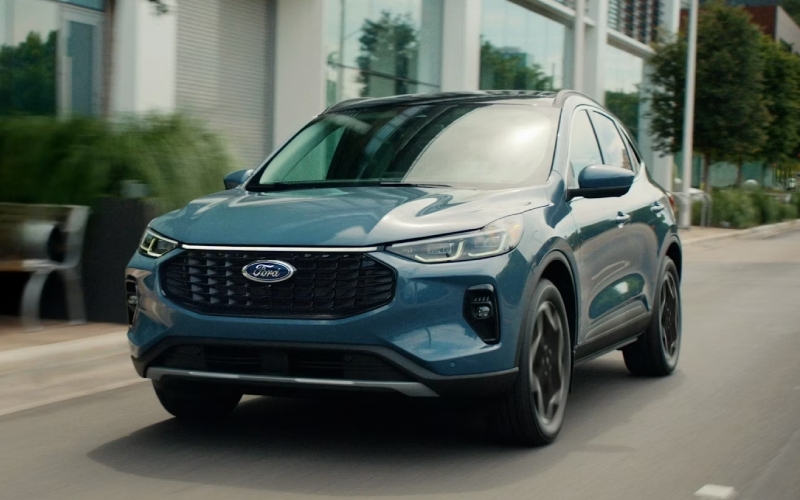
The most confident purchases start with transparent histories and a proper inspection drive on both city streets and expressways. At Countryside Mitsubishi, our team can outline maintenance expectations for each model you’re considering and walk you through service and parts support for years ahead. If you are upgrading from a vehicle you own, bringing trade-in details lets our finance advisors tailor solutions that fit your goals. Use online tools to get pre-qualified, estimate payments, and save time at the showroom. Then compare two finalists back-to-back on the same route—ideally including a stretch of imperfect pavement—so you can feel suspension tuning, cabin quiet, and throttle mapping side-by-side.
How long do hybrid batteries typically last in Midwest driving?
Many hybrid batteries are engineered for long service life. Longevity depends on age, mileage, heat cycles, and maintenance of cooling pathways. A pre-purchase inspection and any available state-of-health data can provide added clarity.
Is maintenance more expensive for hybrids than for gas vehicles?
Routine items like oil, filters, tires, and brakes are similar, while hybrids may reduce brake wear with regenerative braking. Potential high-voltage component repairs can cost more, which is why documented service history matters.
Can hybrids handle cold Chicago winters?
Yes. Expect a modest fuel-economy dip in cold weather, just as gas engines do during short trips. Quality tires and timely maintenance are the biggest winter performance variables for either powertrain.
What’s the difference between a hybrid and a plug-in hybrid?
A standard hybrid self-charges while driving and cannot be plugged in. A plug-in hybrid adds a larger battery you can charge, allowing short electric-only trips before the gasoline engine assists.
What should I check on a used hybrid test drive?
Confirm quiet electric launches, smooth handoff between electric and gasoline power, normal engine stop-start behavior, and consistent brake feel under regenerative and friction braking.
Does emissions testing differ for hybrids?
Requirements vary by jurisdiction, but hybrids typically follow standard inspection protocols. Your chosen model’s OBD readiness and maintenance status influence the inspection outcome.
When you are ready to compare your top candidates, plan a route that mirrors your daily life—neighborhood streets, a few miles of expressway, and a realistic parking scenario. Note how each vehicle responds to rolling starts, quick merges, and uneven pavement on familiar stretches of La Grange Road or near interchanges along I-294. If ownership math is a deciding factor, gather sample insurance quotes, factor in routine maintenance intervals, and consider how many city miles you log near Chicago, IL, each week. Our advisors can help translate those inputs into a clear side-by-side picture of the total cost of ownership. Countryside Mitsubishi provides end-to-end support—transparent trade-in guidance, flexible financing options through a wide lender network, and a service department that relies on OEM parts for fit and longevity. That means your decision is about what fits your life, not what you are unsure how to maintain. Visit when it works for you, bring your questions, and expect a no-pressure drive that highlights the advantages of both used hybrids and used gasoline vehicles. When the right match clicks, you will feel it from the driver’s seat.