

Search
-
or select -



Shopping pre-owned is a smart way to get more value, and one of the biggest choices today is whether a used electric vehicle or a used gasoline car fits your life best. Both can handle dense traffic, quick hops to the grocery store, and longer beltway drives, yet each brings distinct advantages for ownership costs, maintenance, and everyday convenience. Battery-electric models eliminate tailpipe emissions and reduce routine service needs, while gasoline vehicles deliver familiar refueling speed and broad long-distance flexibility. Charging access across Chicagoland is growing quickly, but home or workplace charging remains the gold standard for easy EV living. Cold-weather performance matters here as well—EV range can drop in winter, while gas engines warm up predictably. At Countryside Mitsubishi, our goal is to help you compare real-world details so you feel confident about what will work in your driveway, garage, or street-parking routine. Our team can walk through battery health reports, maintenance records, ownership history, and warranty coverage that often still applies to newer pre-owned models. Whether your daily drive is a quick Metra connect run or a reverse commute on I-55 or I-290, this guide explains the key tradeoffs so you can choose the powertrain that suits how and where you drive.
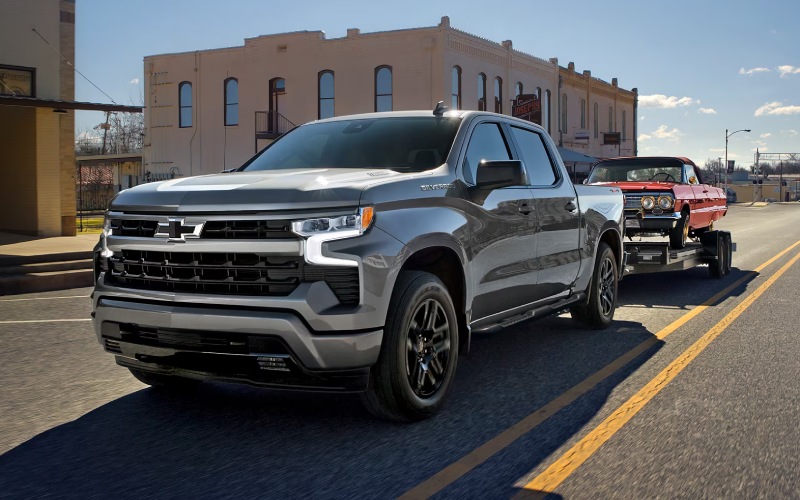

Use these criteria to anchor a test-drive plan. If you can charge at home or work and your weekday mileage is modest, a used EV may lower energy and maintenance costs. If you regularly take last-minute weekend trips, a used gasoline model offers instant refueling nearly anywhere. Our team can review charging solutions, walk you through battery reports, and compare certified service options that align with your lifestyle.
Ownership math matters, particularly over several years. EVs remove engine oil, spark plugs, and many fluids from the service schedule, and regenerative braking often extends pad and rotor life. Most modern EVs include an 8-year battery warranty from the original in-service date, which may still apply on newer pre-owned models—always confirm coverage specifics. Gasoline vehicles remain straightforward to maintain, with quick turnarounds for routine items and a broad network of parts. In cold weather, EV range can dip 15-40 percent depending on temperature, speed, and HVAC use, so matching battery capacity to your longest winter day is wise. By contrast, gas cars handle extended cold snaps with minimal change in range, though oil viscosity and battery health still matter. Countryside Mitsubishi services EVs and gasoline vehicles with Mitsubishi-certified technicians and genuine OEM parts, so you can count on accurate diagnosis and durable repairs. For shoppers near Chicago, IL, energy prices, commute length, and parking arrangements shape the total cost picture just as much as purchase price. When you factor in maintenance, insurance, home charging installation potential, and any remaining factory coverage, the lifetime cost gap between a used EV and a used gas car often comes down to your charging access and how frequently you drive longer distances.
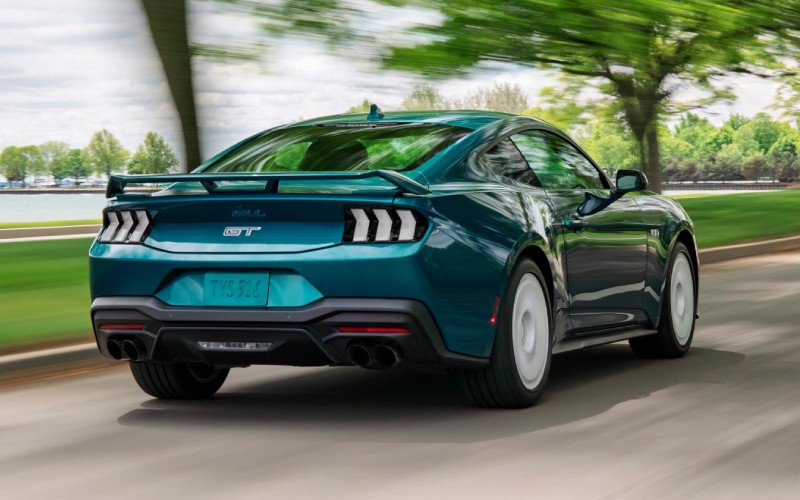

Think about your weekday pattern: school drop-offs, Red or Green Line connections, and quick grocery runs. If you can consistently plug in overnight, a used EV delivers quiet starts and low per-mile costs, even with winter adjustments. If you split time between the city and suburbs or routinely visit friends along Lake Street in Oak Park, a used gasoline car may fit your mixed schedule with minimal planning. We can map your actual routes against local charging to show what ownership looks like Monday through Sunday.
How do I evaluate a used EV’s battery?
Review the battery state-of-health report, verify the latest software updates, and confirm any remaining factory battery warranty. Ask for fast-charging history and climate exposure, then compare range estimates to your winter and summer needs.
What if I take two or three road trips a year?
Both powertrains work. If you have reliable fast-charging along your route, a used EV can handle it with a bit of planning. If you prefer spontaneous travel with minimal stops, a used gasoline car’s quick refueling keeps schedules flexible.
Are maintenance costs really lower on EVs?
Generally, yes—fewer moving parts and no oil changes help. Still budget for tires, cabin filters, brake fluid, and occasional coolant service for thermal management systems. Gas vehicles add routine engine, fuel, and exhaust items to the plan.
Will an EV work if I live in an apartment?
It can. Look for on-site Level 2 charging, a workplace charger, or dependable public options nearby. If consistent access is hard, a gasoline model may be simpler until charging becomes more convenient in your neighborhood near McCook.
How can your team help me compare options?
We can review battery health, service history, estimated ownership costs, and real-world range. Then we align vehicles to your routes, parking situation, and budget so you select the right fit with clarity and confidence.
Choosing between a used EV and a used gasoline car comes down to your charging access, trip patterns, and comfort with planning. If you plug in at home or work and drive a consistent daily loop, an EV can offer smooth, quiet performance and fewer routine services. If you thrive on last-minute weekend drives, a gasoline vehicle’s quick refueling and ubiquitous stations may match your spontaneity. Countryside Mitsubishi is ready to help you compare battery reports, maintenance plans, and ownership costs side by side. Our finance team works with a large network of lenders to streamline next steps, and our service center supports both EV and gas maintenance with OEM parts. Bring your questions, your typical route list, and any trade-in details—our team will build a short list that fits your lifestyle near Chicago, IL. When you are ready, schedule a no-pressure test drive to feel the differences firsthand and choose your next pre-owned vehicle with confidence.

