

Search
-
or select -



Choosing a used car with a built-in backup camera is a smart move for daily driving, parallel parking, and busy school pick-up lines. Rearview cameras help reduce blind zones directly behind the vehicle, add dynamic guidelines to show your projected path, and can display parking sensors or cross-traffic alerts on screen. Federal rules made rear visibility cameras standard on most new vehicles built from May 2018 onward, which means many late-model used cars now include them by default. Shopping in Countryside, IL, means you likely navigate tight retail lots along La Grange Road, back into alley spaces, and park on narrower neighborhood streets—exactly where a clear rear image simplifies life. At Countryside Mitsubishi, our team helps shoppers compare camera clarity, screen size, and extra features like 360-degree views so you know what you’re getting before you buy. While a backup camera does not replace careful mirror checks, it meaningfully improves low-speed visibility when reversing near pedestrians, bikes, and pets. Screen placement also matters: dashboards that set the display high and forward sit closer to your natural line of sight, leading to less time with eyes off traffic. If you’re cross-shopping several trims of the same model, bring a simple test plan: check day and night visibility, look for on-screen guidelines that move with the steering wheel, and confirm that any parking sensor beeps show at the same time. A few minutes behind the wheel can quickly show the difference between “has a camera” and “has the right camera for you.” Mention of Chicago.
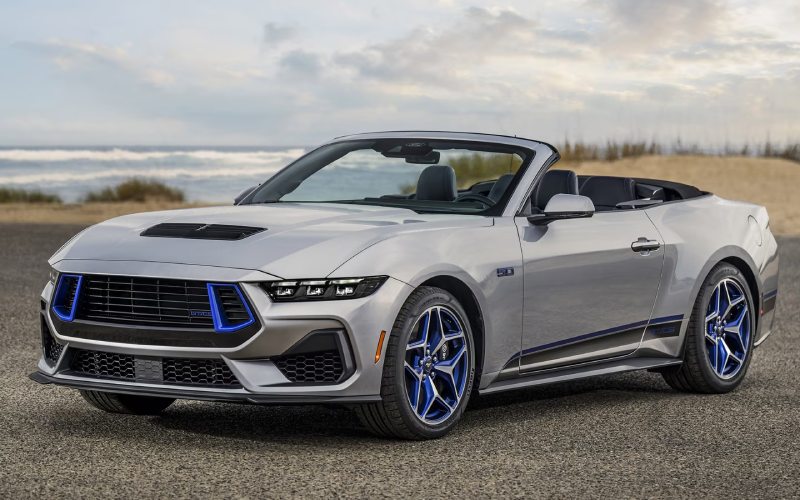
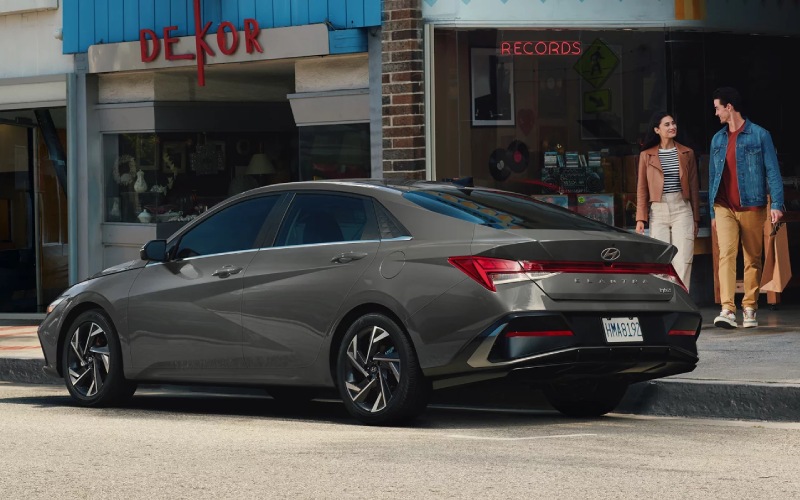
After 2018, nearly every mainstream model added a standard camera. If you’re considering 2012–2017 models, look at mid or higher trims, or packages that bundled an upgraded infotainment screen. For luxury brands (Audi, BMW, Mercedes-Benz, Lexus), cameras arrived earlier but could be package-dependent before 2018. When browsing, check the build sheet for features like Park Assist, Tech Packages, Premium, or Touring groups—these often add multi-angle views, parking sensors, and surround-view. If you need a third row, many 2016–2019 three-row SUVs not only include a camera but also larger screens that make the image easier to see at a glance.
Not all backup cameras feel the same on the road. Key differences include image sharpness, low-light performance, guide lines that turn with your steering, and extra aids like rear cross-traffic alert that warns of cars approaching from the sides. Systems with wider lenses show more of a driveway or alley but can look slightly distorted near the edges; narrower lenses can appear crisper straight back yet show less periphery. Larger, brighter screens make it easier to keep your head on a swivel during reverse maneuvers, especially when sun glare hits the glass. Surround-view (often called 360, bird’s-eye, or Multi-View) stitches images from multiple cameras so you can see curbs and lines—a big help in parking ramps and narrow cut-throughs in Countryside. At Countryside Mitsubishi, our product specialists can walk you through camera menus, show how to turn guidelines on or off, and demonstrate how parking sensors overlay beeps and zones on the image. If you compare older and newer trims of the same model, look for improved contrast at dusk, quicker image startup when shifting to Reverse, and crisper text on the display. Lastly, confirm the camera pairs well with your daily routine: hitching a small trailer, reversing from angled street parking, backing out of an alley, or negotiating crowded lots during weekend errands in Countryside, IL.


If something looks off, it may be a simple fix—cleaning the lens, reseating a connector, or updating the infotainment unit. Our service advisors can also check for manufacturer service bulletins that improve reverse image quality or system reliability. If you commute from McCook and regularly back into spots at busy trailheads or industrial lots, ask about models with wider fields of view or a 360 system. For family duty, consider trims that add rear cross-traffic alert, which helps when minivans and SUVs flank your parking space. Finally, bring a short list of candidates and test them back-to-back; the differences become clear when you repeat the same reverse maneuver with each car.
Are backup cameras standard on all used cars after a certain year?
Most vehicles built from May 2018 forward include a standard rearview camera due to U.S. rear visibility rules. For 2012–2017 models, availability varies by trim and package, so verify equipment on the exact VIN.
Is a 360-degree camera worth it for everyday driving?
Yes, if you frequently parallel park, navigate tight garages, or protect alloy wheels from curbs. The bird’s-eye view shows lines and corners that a single rear camera can miss, saving time and stress.
Can I add an aftermarket camera to an older vehicle?
Often, yes. Many vehicles accept a factory-style kit or a high-quality aftermarket solution that integrates with the in-dash display or a mirror-mounted screen. Ask our parts and service team about options for your model.
How do I test camera performance on a used car?
Shift to Reverse on level ground, confirm quick image startup, test dynamic guidelines while steering, and back toward a cone to verify distance cues. Repeat at dusk to assess low-light clarity and glare control.
Choosing a used vehicle is easier when you can see exactly what’s behind you—clearly and quickly—every time you shift into Reverse. Our team can help you compare screen sizes, image quality, dynamic guidelines, and advanced aids like rear cross-traffic alert or 360-degree views across multiple makes and model years. We’ll also walk you through simple, real-world tests so you can feel the difference on the lot before you drive home. Countryside Mitsubishi carries a wide range of used cars and SUVs, from compact runabouts to three-row family haulers, and our advisors are happy to explain which trims typically bundle the camera features you value most. If you’re narrowing down a shortlist, bring your daily scenarios—backing into a townhouse garage, parallel parking near a favorite restaurant, or reversing from a driveway with limited sightlines—and we’ll tailor recommendations accordingly. When you’re ready, schedule a test drive, value your trade, and lean on our experienced finance team to keep the process straightforward. Countryside Mitsubishi is here to help you shop confidently, choose smart features that fit your life, and step into a used car that makes every reverse more calm and controlled.

